Animal communication techniques for pet connection 2026
March 8, 2026

Choosing the right animal communication technique transforms how you connect with your pet, yet most owners feel overwhelmed by options ranging from body language observation to psychic readings. Picking the wrong method wastes time and money while leaving behavioral issues unresolved. This guide walks you through proven selection criteria, comparing visual cues, vocal signals, intuitive approaches, and emerging technology to help you find techniques matching your pet’s species, your goals, and your comfort level in 2026.
Table of Contents
Key takeaways
Point | Details |
|---|---|
Selection depends on goals and species | Match techniques to behavioral needs, health monitoring, or grief support based on your pet’s temperament. |
Observable methods cost nothing | Visual body language and vocal communication offer free, immediate insights into daily emotions and needs. |
Intuitive readings provide emotional depth | Psychic sessions ($100-$150) help with complex behavioral problems and closure after pet loss. |
Technology supplements but can’t replace | AI tools and wearables track patterns objectively yet require your interpretation alongside direct observation. |
Combining methods works best | Integrating multiple approaches yields deeper understanding and stronger bonds than relying on one technique alone. |
How to choose the right animal communication technique
Selecting the right animal communication technique depends primarily on the owner’s goals, the pet’s species and temperament, and the specific issues to address. Start by identifying whether you need help with daily behavior management, health concerns, or emotional support during grief. Each communication method serves different purposes, so clarity on your objectives prevents wasting resources on mismatched approaches.
Consider your pet’s species and individual personality when evaluating options. Dogs respond well to visual and auditory training because they evolved alongside humans, while cats communicate more subtly through body positioning and vocalizations. Exotic pets like birds or rabbits require specialized understanding of species-specific signals that general techniques might miss.
Evaluate each method’s effectiveness using both scientific evidence and real owner reports. Visual body language interpretation has extensive research backing, while intuitive approaches rely more on anecdotal success stories and personal testimonials. Understanding this difference helps you set realistic expectations and choose methods aligned with your comfort level regarding empirical versus experiential validation.
Accessibility and cost vary dramatically across communication techniques. Free observational methods require only your time and learning investment, while professional psychic sessions or technology tools demand financial commitment. Balance your budget against the urgency and complexity of your pet’s needs.
Your personal comfort matters significantly in technique selection. Some owners thrive using intuitive energy readings, while others prefer data-driven technological tools or straightforward behavioral observation. Choosing methods that feel natural to you increases consistency and long-term success.
Align technique with specific goals like behavior modification, health tracking, or grief counseling
Match method complexity to your pet’s species-typical communication style
Verify effectiveness through research, testimonials, or trial periods
Consider upfront costs, ongoing expenses, and time investment requirements
Select approaches matching your learning style and belief system
Explore foundational concepts through our animal communication overview and practical starting points in how to talk to animals to build your knowledge base before committing to specific techniques.
Visual and body language communication
Visual communication via body language is a fundamental technique that pet owners can learn to better understand their pets’ emotions and intentions. Your pet’s tail position, ear orientation, facial expressions, and overall posture reveal emotional states ranging from contentment to fear or aggression. Learning these signals transforms everyday interactions because you can adjust your behavior before problems escalate.
Tail position tells stories your pet can’t verbalize. A dog’s high, wagging tail usually signals excitement or confidence, while a tucked tail indicates fear or submission. Cats communicate differently: a vertical tail with a slight curve shows friendliness, whereas a puffed, arched tail warns of threat perception. These species differences make learning your specific pet’s visual vocabulary essential.
Eye contact carries meaning that varies by species and context. Direct staring threatens dogs in many situations, potentially triggering defensive responses. Cats use slow blinks to show trust and affection, a signal you can return to strengthen your bond. Understanding these nuances prevents misreading your pet’s intentions and helps you respond appropriately.
Posture reveals comfort levels and intentions before vocalizations begin. A relaxed, loose body indicates contentment, while stiff muscles and forward-leaning positions suggest alertness or potential aggression. Recognizing these early warning signs lets you intervene before behaviors become problematic.
Observe tail height, movement speed, and position relative to body
Monitor ear direction: forward shows interest, flat against head signals fear or aggression
Watch for stress signals like lip licking, yawning, or averting gaze
Notice weight distribution: leaning forward suggests confidence, backward indicates uncertainty
Track body tension levels throughout different situations and environments
Pro Tip: Photograph your pet displaying various emotions and label each image with the situation and visible signals. This personal reference guide helps you spot patterns and interpret mixed signals more accurately over time.
Deepen your understanding through our specialized guides on dog body language system, practical steps in communicate with dogs, and broader insights in understand dogs.
Auditory and vocal communication
Auditory communication, including vocalization and tone, conveys important behavioral and emotional messages from pets. Dogs use different bark types for distinct purposes: high-pitched, rapid barking signals excitement or play, while deep, sustained barking warns of perceived threats. Cats employ an even wider vocal range, from chirps and trills expressing greeting to yowls indicating distress or mating behavior.
Frequency and pattern matter as much as the sound itself. Repetitive meowing often signals hunger or attention-seeking, while intermittent vocalizations might indicate boredom or mild discomfort. Learning to distinguish between these patterns helps you respond appropriately rather than guessing at your pet’s needs.
Tone and pitch reveal emotional intensity behind vocalizations. Whining in dogs typically expresses anxiety, frustration, or pain, with higher pitches indicating greater distress. Growling ranges from playful rumbles during games to serious warnings before defensive behavior. Context determines meaning, so always consider surrounding circumstances when interpreting sounds.
Volume changes signal shifting emotional states or escalating needs. A cat’s purr can indicate contentment but also self-soothing during stress or pain. Dogs may start with soft whimpers that intensify to loud barking if their initial communication goes unacknowledged. Responding to quieter signals prevents escalation and reduces household noise.
Record your pet’s vocalizations in different situations to identify patterns
Note pitch changes that correlate with specific emotions or needs
Pay attention to sound duration and repetition frequency
Consider context like time of day, recent activities, or environmental changes
Watch for physical signals accompanying vocalizations for complete understanding
Discover more about natural sound recognition and its role in pet communication through discovering natural sounds.
Intuitive and psychic communication approaches
Intuitive animal communication techniques, such as telepathic communication, provide emotional insights that can help with behavioral problems and closure after pet loss. These methods involve trained practitioners who claim to receive messages through energy reading, mental imagery, or emotional sensing. Sessions typically address complex issues like unexplained behavioral changes, chronic anxiety, or connecting with pets who have passed away.
Animal communicators use a combination of sensory input, intuition, and energy reading to deliver insights often missed by conventional observation. Practitioners work remotely using photographs, making sessions accessible regardless of location. They report receiving information about your pet’s emotional state, physical sensations, past experiences, and preferences that owners can verify against known behaviors.
Sessions cost between $100 and $150 per appointment, with comprehensive readings taking 30 to 60 minutes. Training courses for owners who want to develop their own intuitive abilities range from $200 to $800 depending on depth and instructor credentials. This investment makes sense when dealing with persistent behavioral problems that haven’t responded to traditional training or when seeking emotional closure after losing a beloved companion.
Skepticism exists within veterinary and scientific communities regarding telepathic communication’s mechanisms and reliability. However, many owners report valuable insights and emotional comfort from sessions, particularly when addressing grief or situations where conventional methods have failed. These approaches work best alongside observable techniques rather than as sole solutions.
Research practitioners’ credentials, testimonials, and communication style before booking
Prepare specific questions about behavior, health concerns, or relationship dynamics
Document insights received and test them against observable behaviors
Combine intuitive readings with veterinary care for health-related concerns
Use sessions as one tool among multiple communication approaches
Pro Tip: Keep a journal recording your pet’s behaviors and your intuitions about their feelings for two weeks before a session. This baseline helps you evaluate whether insights match your observations or reveal genuinely new information.
Explore related approaches through our guides on animal mediumship guide, empaths and animals, telepathy with animals, and specialized support in communication for grieving owners.
Technology-assisted communication techniques
Technology applications such as AI and wearable devices are emerging to assist pet owners in decoding behavioral and emotional signals from pets. These tools analyze patterns in vocalizations, movements, and physiological indicators to provide objective data about your pet’s state. Unlike human-dependent observation, technology offers continuous monitoring and quantifiable metrics.
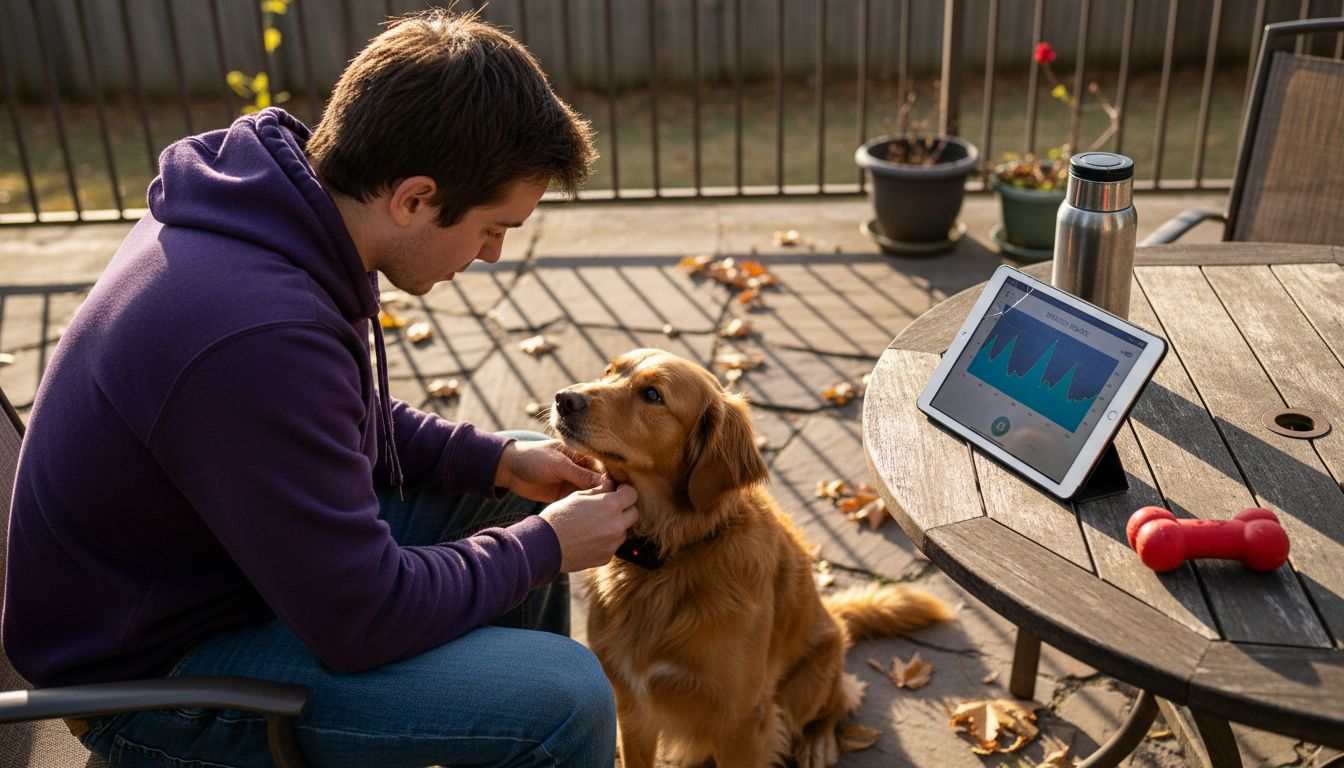
AI applications claim to interpret barks, meows, and other vocalizations by analyzing acoustic properties like frequency, duration, and pattern. These apps categorize sounds into emotions or needs such as hunger, playfulness, or distress. However, accuracy varies significantly, and no current technology fully translates pet language into human speech. These tools work best as supplements that alert you to potential issues requiring closer observation.
Wearable sensors track activity levels, sleep patterns, heart rate, and location to reveal health and behavioral changes. Sudden decreases in activity might indicate illness or pain, while disrupted sleep patterns could signal anxiety. About 30% of pet owners showed interest in AI-assisted communication tools in 2025, with adoption expected to grow as accuracy improves and costs decrease.
Challenges include device cost, learning curves for interpreting data, and technology limitations in understanding context. A bark identified as “aggressive” by an app might actually be excited play behavior, requiring you to apply observational skills alongside technological input. Battery life, waterproofing, and pet comfort with wearing devices also affect practical usability.
Research device accuracy ratings and user reviews before purchasing
Start with lower-cost apps before investing in expensive wearables
Use technology to identify patterns you might miss through casual observation
Technology Type
Primary Function
Approximate Cost
Vocalization AI apps
Interpret barks, meows, and sounds
$5-$30/month subscription
Activity wearables
Track movement, sleep, location
$50-$200 device cost
Health monitors
Measure heart rate, temperature
$100-$300+ device cost
Behavior cameras
Record and analyze visual patterns
$40-$200 one-time cost
Compare alerts from technology with your direct observations
Integrate data insights with visual and auditory communication methods
Practical considerations: pricing, accessibility, and effectiveness
Pricing for personalized animal communication sessions varies widely, typically ranging from $50 to over $200 per session, depending on the method and provider. Visual and auditory observation techniques cost nothing except your learning time investment through books, online courses, or practice. This makes them the most accessible starting point for any pet owner regardless of budget.
Intuitive and psychic sessions represent the highest per-use cost at $100 to $150 per appointment. Training courses enabling you to develop your own intuitive abilities cost between $200 and $800, potentially saving money long-term if you commit to regular practice. These methods suit owners dealing with complex emotional issues or seeking closure after pet loss.
Technology solutions span a wide price range depending on sophistication. Basic vocalization apps charge $5 to $30 monthly, while advanced wearables monitoring multiple health metrics cost $100 to $300 upfront plus potential subscription fees. This category works best for tech-comfortable owners wanting objective data to supplement direct observation.
Behavioral problem resolution using animal communication techniques shows higher owner satisfaction when combining intuitive reading with scientific understanding of signals. No single method addresses every situation perfectly, making flexibility and willingness to use multiple approaches essential for success.
Accessibility depends on your location, technology comfort level, and availability of trained practitioners in your area. Remote sessions via video or photograph make intuitive readings accessible nationwide, while local behaviorists or trainers teaching observational skills might require travel. Technology tools work anywhere but demand digital literacy and often smartphone compatibility.
Method | Cost Range | Accessibility | Best For |
|---|---|---|---|
Visual/Body Language | Free | Universally available | Daily behavior understanding |
Auditory/Vocal | Free | Universally available | Emotion and need recognition |
Intuitive/Psychic | $100-$150/session | Remote or local sessions | Complex emotional issues, grief |
Technology/AI | $5-$300+ | Requires devices/internet | Data-driven health tracking |
Start with free observational methods before investing in paid services
Budget for multiple sessions or tools when addressing persistent problems
Verify practitioner credentials and satisfaction guarantees before purchasing
Test technology with trial periods when available
Combine methods strategically based on your specific situation and pet needs
Summary and situational recommendations
For daily behavioral management and improving routine interactions, rely primarily on visual body language and auditory vocal communication. These free, immediately accessible methods provide continuous feedback during walks, playtime, and household activities. Mastering these foundational techniques solves most common communication challenges without additional expense.
Owners dealing with grief after pet loss or seeking closure benefit most from intuitive and psychic communication sessions. These approaches offer emotional comfort and perceived connections that observational methods cannot provide. Combining these sessions with support groups or grief counseling maximizes healing benefits.
Tech-savvy individuals monitoring health conditions or wanting objective behavioral data should incorporate AI applications and wearable sensors. These tools excel at detecting subtle pattern changes you might miss, providing early warnings about potential health issues. Use technology insights to inform conversations with your veterinarian.
Match your chosen methods to your pet’s species-specific communication style. Dogs respond well to combined visual and vocal training because of their social nature and desire to please. Cats require more patience with subtle body language interpretation and respect for their independent communication preferences. Exotic pets need species-specific research beyond general techniques.
Combining multiple methods yields the deepest understanding and strongest bonds. Start with free observational approaches, add technology if data appeals to you, and consider intuitive sessions for complex emotional situations. This layered strategy addresses different aspects of your pet’s communication while building your overall competence.
Address behavioral issues with visual and auditory observation first
Add intuitive readings when dealing with unexplained problems or grief
Incorporate technology for health monitoring and pattern detection
Adjust methods based on your pet’s species and individual temperament
Remain flexible and willing to try new approaches when current methods plateau
Discover personalized animal communication readings
Professional animal communication readings offer personalized insights that complement the techniques you’ve learned throughout this guide. When observable methods leave questions unanswered or you’re navigating complex behavioral challenges, expert intuitive practitioners provide specialized support tailored to your pet’s unique personality and your specific concerns.

Our pet psychic animal communication readings conducted remotely via photograph help you understand your pet’s emotional state, address behavioral problems, monitor health concerns, and find closure after loss. These sessions work alongside your developing observational skills, offering perspectives that deepen your bond and resolve confusion. Whether you’re dealing with anxiety, aggression, mysterious behavioral changes, or simply want to understand your companion better, professional readings deliver actionable insights grounded in compassionate, intuitive connection. Services include detailed written reports, follow-up support, and satisfaction guarantees, making this a risk-free way to enhance your communication journey.
FAQ
What is the most effective animal communication technique for behavioral problems?
Visual body language and auditory vocal communication prove most effective for addressing behavioral problems because they provide clear, observable cues you can act on immediately. These methods help you identify triggers, modify your responses, and reinforce positive behaviors through consistent feedback. Learn systematic approaches through our dog body language system guide.
Can technology fully translate my pet’s thoughts into human language?
Current technology cannot fully translate pet thoughts into human language despite marketing claims. AI tools and wearables analyze patterns in sounds and behaviors to suggest probable meanings, but they lack understanding of individual context and personality. Technology works best as a supplement providing objective data that you interpret using direct observation and species knowledge.
How much do intuitive animal communication sessions typically cost?
Intuitive animal communication sessions usually range from $100 to $150 per appointment for 30 to 60-minute readings. Training courses teaching you to develop your own intuitive abilities cost between $200 and $800 depending on course depth, instructor credentials, and included materials. Some practitioners offer package discounts for multiple sessions or follow-up consultations.
Are these communication techniques effective for all pet species?
Communication techniques vary in effectiveness across species because dogs, cats, birds, and exotic pets express signals differently based on their evolutionary backgrounds and social structures. Dogs respond well to combined visual and vocal methods due to domestication alongside humans, while cats require more subtle interpretation of independent behaviors. Always research species-specific communication patterns and tailor your approach accordingly.
Recommended
What Is Animal Communication And How Does It Work? | PetPsychic Blog
Animal communication guide for grieving owners: 70% success | PetPsychic Blog
A Pet Psychic’s Guide on How to Communicate with Dogs | PetPsychic Blog
Animal mediumship guide 2026: 85% gain emotional insight | PetPsychic Blog
Animal Behaviour and Children: Nurturing Eco-Awareness – The Zoofamily