Understanding Your Dog's Silent Conversations Through Body Language
February 26, 2026

After 27 years of connecting with animals as a professional pet psychic, I've learned that dogs are constantly talking to us through their body language system. Every tail position, ear angle, and facial expression carries meaning that most pet parents miss entirely. In this article, I'll share what I've discovered about reading these silent conversations so you can truly understand what your furry companion is trying to tell you.
Why Most Pet Parents Miss the Signs Their Dogs Are Sending
Here's the thing: we humans are verbal creatures, but dogs communicate primarily through physical cues. In my experience working with thousands of dogs and their families, I've found that about 80% of pet parents focus on vocalizations like barking or whining while completely overlooking the rich information their dog's body is providing.
Let me explain what happened with Sarah and her golden retriever, Max. She called me because Max had started "acting aggressive" toward visitors. When I connected with Max during our session, what I sensed was actually fear and overwhelm. His body language system was screaming this message: stiff posture, whale eye (showing the whites of his eyes), and a tucked tail. Sarah had been interpreting his protective stance as dominance when he was actually asking for help managing his anxiety.
What that really means is that understanding canine body language isn't just helpful, it's essential for building trust with your dog.
The Foundation Elements Every Dog Owner Should Recognize
I've found that dogs use what I call a complete communication system involving their entire body. Think about it this way: imagine trying to understand a conversation where you could only hear every third word. That's what happens when we only pay attention to obvious signs like tail wagging.
Tail Positions That Tell the Real Story
The wonderful news is that tail language is much more nuanced than most people realize. In my practice, I've noticed that a high, stiff tail often signals arousal or potential reactivity, not happiness. A relaxed, mid-level wag usually indicates contentment, while a low or tucked tail suggests fear or submission.
Just last month, I worked with a family whose rescue dog, Luna, kept her tail perpetually low. They worried she was depressed, but when I connected with her, I sensed she was simply communicating respect and gentleness. Her body language system was saying "I'm peaceful" rather than "I'm sad."
Ear Communication Your Dog Uses Daily
Here's what truly amazes me about ear positioning: dogs can move each ear independently to gather information from multiple directions. Forward ears typically show interest or alertness, while pinned-back ears often indicate fear, submission, or sometimes aggression depending on other body cues.
Trust me, learning to read ear positions alongside other signals will transform how you understand your dog's emotional state.
How Does Reading Body Language Compare to Other Training Methods?
What I tell pet parents is that understanding your dog's natural communication system is fundamentally different from traditional obedience training. While training focuses on teaching desired behaviors, reading body language helps you understand your dog's emotional world and needs.
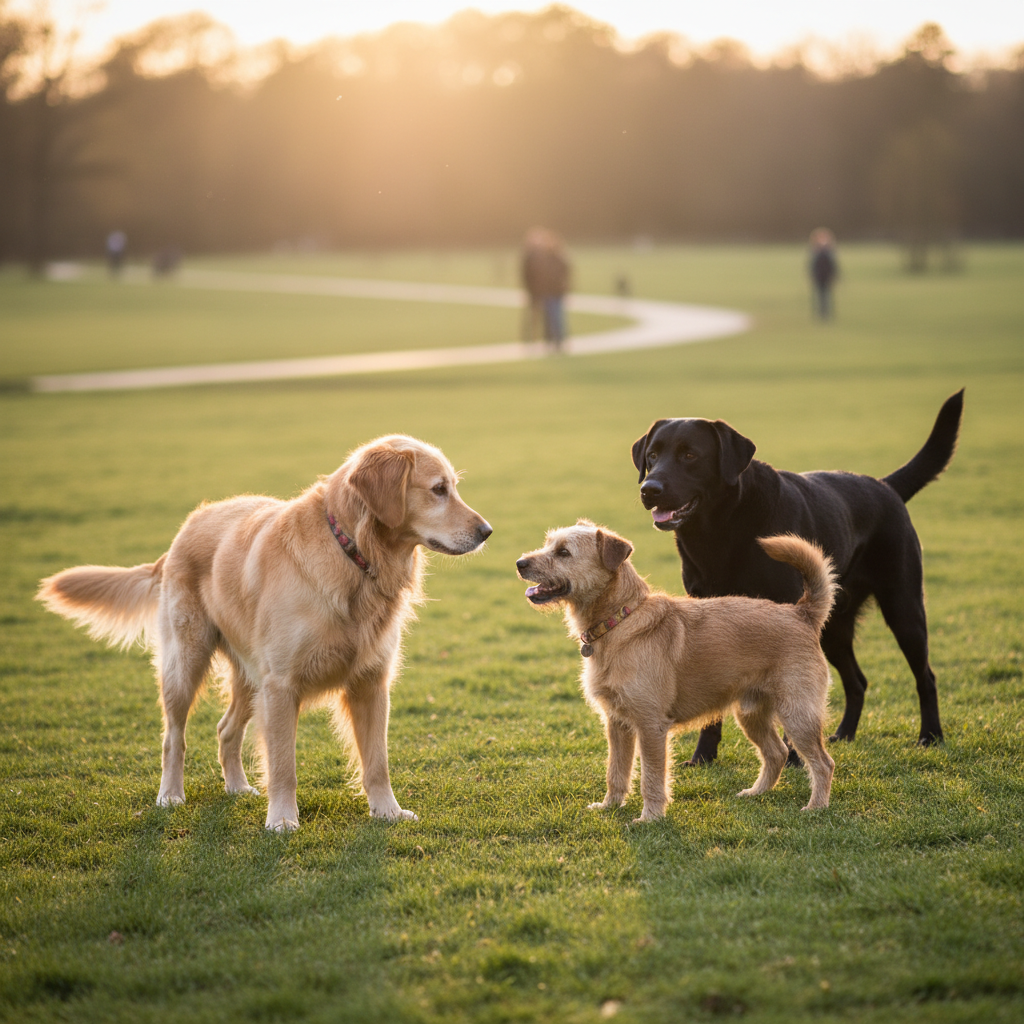
In everyday terms, it's the difference between telling someone what to do and actually listening to what they're trying to tell you. I find this absolutely fascinating because once pet parents start truly seeing their dog's signals, training becomes so much more effective and compassionate.
What Should You Actually Do When You Notice Stress Signals?
Here's another way to look at it: your dog's body language system is like an early warning system. When you notice signs like lip licking, yawning when not tired, or excessive panting without heat or exercise, your dog is telling you they need support.
By the way, one of the most important things I've learned is that acknowledging these signals doesn't reinforce anxiety. Instead, it builds trust. If your dog is showing stress signals, calmly remove them from the situation or create more space between them and whatever is causing concern.
What I'd tell a friend in this situation is to think of yourself as your dog's advocate. You're not fixing their emotions for them, but you're helping them feel safe enough to process whatever they're experiencing.
The Power of Calming Signals Dogs Use
This is the part I love most about canine communication: dogs naturally use what behaviorists call "calming signals" to defuse tension. These include slow blinking, turning their head away, sniffing the ground, or moving slowly.
I remember working with a reactive German shepherd named Duke whose owner was frustrated because Duke would "ignore" him during training. When I observed their sessions, I realized Duke was actually offering calming signals, trying to communicate that the training intensity was too much. Once his owner learned to recognize and respect these signals, their relationship transformed completely.
Who Is This Really For?
You're not alone in feeling overwhelmed by trying to understand what your dog needs. This information is particularly valuable if you're dealing with a rescue dog whose history you don't know, if you have a reactive dog, or if you simply want to deepen your bond with your companion.
In my experience, the pet parents who benefit most from learning this communication system are those who are willing to slow down and really observe their dogs rather than just reacting to behaviors.
Questions I Get Asked Most About Canine Body Language
Here's where it gets really meaningful: the questions I hear most often reveal how much pet parents truly want to understand their dogs. They ask about mixed signals, breed differences, and how to know if they're reading things correctly.
What I've noticed with more and more animals lately is that dogs are becoming increasingly sensitive to human stress and environmental changes. In 2026, I'm seeing dogs whose body language reflects not just their own emotions, but their deep connection to their human families' energy.

Put simply, as we become more aware of our dogs' communication, they often become more expressive and trusting with us.
Building Your Daily Observation Practice
This is where things get deeply interesting: developing your ability to read your dog's body language system becomes easier with consistent, gentle observation. I know that might surprise you, but you don't need to analyze every gesture. Instead, start by simply noticing without judgment.
Here's what I suggest: spend five minutes each day just watching your dog when they're relaxed. Notice how they hold their body, where their ears naturally sit, how their tail moves. This becomes your baseline for recognizing when something changes.
This is actually a beautiful sign because it means you're learning to communicate in your dog's native language rather than expecting them to understand ours completely.
Frequently Asked Questions
How long does it take to become fluent in reading dog body language?
In my experience, most pet parents start noticing significant improvements in their understanding within 2-3 weeks of daily observation, but developing true fluency in your specific dog's communication style typically takes 2-3 months of consistent practice and attention.
Do different breeds have different body language patterns?
While the basic body language system remains consistent across breeds, I've found that physical differences definitely affect expression - breeds with cropped ears or docked tails may rely more heavily on other signals, and flat-faced breeds often use different facial expressions than dogs with longer muzzles.
What should I do if my dog shows conflicting body language signals?
Mixed signals usually indicate internal conflict or uncertainty in your dog, and I always advise pet parents to err on the side of caution by giving their dog more space and time to process whatever they're experiencing, rather than pushing through the situation.
Can reading body language help with training and behavior issues?
Absolutely - understanding your dog's emotional state through their body language allows you to adjust training timing and methods, address underlying stress or fear before it escalates into problem behaviors, and build much deeper trust and communication with your dog.
Is it normal for my dog's body language to change as they age?
Yes, aging definitely affects how dogs express themselves physically - senior dogs may move more slowly, hold their heads differently due to vision or hearing changes, or show increased anxiety signals as they become more vulnerable, which is why ongoing observation throughout their life is so important.

Find out what your pet is really trying to tell you
Understand the reason behind the behavior, in your pet’s own words, in a personalized reading delivered within 24-48 hours.
Get My Pet's Reading Get My Pet's Reading
Delivered within 24-48 hours · Double Reading Guarantee