What Is My Dog Thinking Right Now?
October 16, 2026
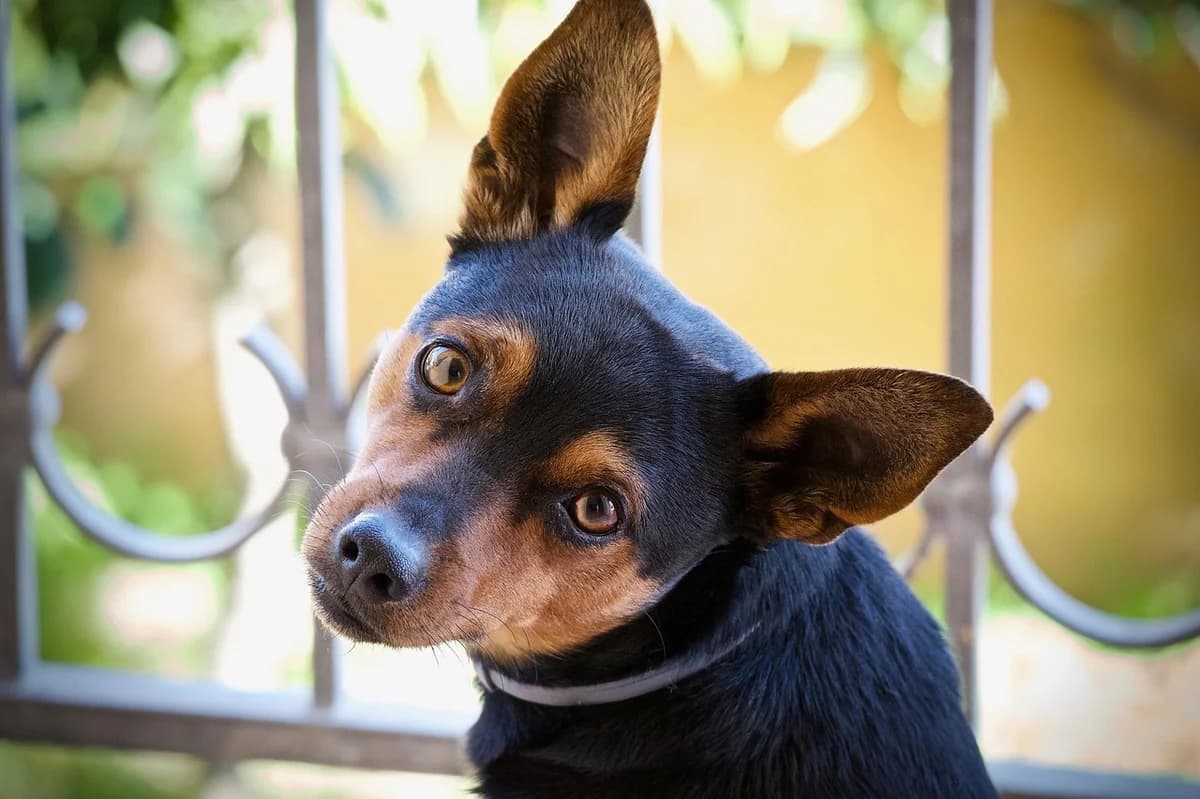
The short answer: A dog's attention is often on what's happening now: scents, familiar routines, and the people nearby. Staring, tail position, and ear movement offer clues to how a dog feels, but no single gesture tells the whole story. A pet psychic reading can also put intuitive impressions into words when body language leaves something unsaid.
Your dog looks up and holds your gaze. Then he follows you to the next room, tilts his head, and watches again. What is my dog thinking in moments like this? I know how easy it is to look into those eyes and wish he could tell you what is going on.
That wish comes from love, not just worry. Here are two ways to listen: read what his body is showing you, then consider what an intuitive reading can add when those clues only take you so far.
What Is My Dog Actually Thinking Right Now?
Your dog is likely attending to what matters in the moment: a scent, your movement, a familiar sound, or the routine unfolding around him. That is a better starting point than imagining a running commentary in human words.
If you wonder what does my dog think about all day, think about the information available to him. Smell is especially important.
In a brain-imaging study of familiar scents, dogs showed a reward response to their familiar human's scent even when that person was absent. Your presence can matter without your saying anything.
You can also be a source of confidence. Dogs in a secure-base study persisted longer at a problem-solving task when their owner was present. In stressful settings, dogs have also shown fewer stress signals with their person nearby.
So what goes on in a dog's mind as he settles beside you? You cannot turn that moment into an exact sentence. You can notice that you are part of the surroundings he tracks, seeks out, and relies on.
What Is My Dog Thinking When He Stares At Me?
When your dog stares at you with a soft face and relaxed body, he may be connecting with you or watching for your next move. It is not automatically a demand, and it is not a judgment.
In a study of mutual gazing, eye contact between dogs and their people was linked to rising oxytocin in both. Dogs also pay close attention to human faces. A quiet look across the room can be part of an ordinary, close relationship.
Context still matters. A dog standing near his usual meal spot may be watching what happens next. A stiff dog with a fixed stare is showing something different from one resting loosely beside you. Look at his mouth, ears, tail, and posture before deciding what the stare means.
Why does my dog stare at me and tilt his head? He may be focusing on your voice or trying to hear clearly. An occasional tilt while you speak is different from a new tilt that persists, especially with other changes. A lasting or sudden change belongs with your vet.
How To Tell What Your Dog Is Thinking From Body Language
Start by reading the whole dog, not one moving part. The RSPCA's body-language guide shows how eyes, ears, mouth, tail, and posture work together. Compare what you see with how your dog usually looks when he is at ease.
- Eyes and face: Soft, normally shaped eyes and an open mouth often go with a relaxed dog. A hard stare, tense face, or averted gaze changes the picture.
- Ears and posture: Natural ear position and a loose body suggest comfort. A lowered body or ears held differently from usual can suggest worry. Stiffness and raised hackles call for space.
- Tail: Notice its position and the rest of the body. A wag alone does not tell you whether your dog welcomes contact.
- Small signals: Lip licking, turning away, crouching, and a tucked tail can mean your dog is uncomfortable. The RSPCA's guidance on these signals helps you spot them before you press for interaction.
A yawn needs context too. It can mean tiredness, but yawning can also accompany stress. If your dog yawns while turning away and lowering his body, give him room rather than asking for another hug.
Understanding dog body language gets easier when you pause and ask three things: What changed around him? What is his whole body doing? Is this normal for him? For more ways to pay attention and respond, see the dog communication guide.
What Is My Dog Trying To Tell Me?
A paw on your arm or a nudge often asks for attention. Before you assume exactly what your dog wants, check the moment. Has his usual walk time arrived? Has play stopped? Predictable routines can help reduce repeated attention-seeking.
If you ask, "Why does my dog follow me everywhere?" the answer is often attachment. VCA describes following from room to room as one way dogs show closeness. Your dog may simply prefer being near the person he knows best.
Attachment and separation anxiety are different. Following you while you are home is one behavior. Vocalizing, destructive behavior, or house-soiling only when you leave can point to distress, as the ASPCA's separation anxiety guide explains.
Talk with your vet about new or troubling changes, and seek qualified training support for behavior concerns.
Do dogs know when you're sad? You should not have to prove what your dog knows to notice how he responds.
Dogs attend to our tone and body language, and research on long-term stress found that dogs' stress levels synchronized with their owners'. If he stays close on a hard day, you can accept the comfort of that closeness.
What Dogs Don't Think About (No Guilt, No Grudges)
The lowered head and hesitant look you see beside a mess do not tell you that your dog has been reflecting on wrongdoing.
VCA's explanation of the "guilty look" describes it as a response to your posture and tone, rather than evidence of human-style remorse.
That matters when you come home to a chewed object or an accident. Your dog may be reacting to your upset in that moment. Treating the look as a confession will not tell you why the behavior happened.
The same care applies to the idea of a grudge. Destruction that happens when you leave can be a distress response, not spite. Ask when it happens and what else changes. Those observations give your vet or trainer something useful to work with, without assuming your dog meant to hurt you.
Why Can't My Dog Just Tell Me In Words?
Your dog has plenty to communicate, but his way of doing it differs from yours. According to the Merck Veterinary Manual's guide to dog social behavior, dogs use posture, facial expression, sounds, scent, and touch. Much of the scent information they use is out of your reach.
Can dogs understand what we say? Dogs can process word meaning and tone, but understanding familiar speech is different from producing sentences. They also listen to how you speak and watch how you move. Even their vocal anatomy is suited to canine sounds, not spoken conversation.
That gap can feel hardest when you ask, "What is my dog feeling?" and his signals seem mixed. You do not need a perfect translation to respond kindly.
Lower the pressure, watch what changes, and give him a chance to show you whether he wants closeness or space. If you want to explore that connection further, here is more on how to talk to animals.
When A Change In Behaviour Means See A Vet
If your dog's behavior changes suddenly, call your vet first. A new stare, head tilt, or confused moment is a health question before it is a question about feelings. Do not wait for a reading to explain it.
- Staring into space or seeming disoriented: Especially in an older dog, these changes deserve a veterinary assessment. Cornell's guide to cognitive dysfunction also lists getting stuck in corners.
- Dazed staring episodes: Tell your vet promptly if an episode is sudden or repeats. Staring can have medical causes that need evaluation.
- A new, persistent head tilt: Contact your vet, particularly if your dog also seems unsteady or otherwise unlike himself.
- New withdrawal, appetite changes, or sleep changes: Arrange a vet check, even if the change followed a stressful event at home.
If you are worried your dog is nearing the end of life, start with your vet for an assessment and care guidance. You can also read about the signs a dog is dying, but a guide cannot assess your dog.
What A Pet Psychic Reading Can Add
Sometimes you have watched closely, made room for your dog, and still wish you could put words to what you sense. I understand that wish. Body language helps you respond to the moment; an intuitive reading explores the feelings and connection behind your question.
In animal communication, I work with impressions such as images, feelings, and a sense of what the animal wants to express, then put those impressions into words. You might bring a question about a living dog's closeness, a change at home, or an absence he seems to feel. The reading is a space to listen to that bond more deeply.
After a household loss, keep caring for the dog in front of you. If he becomes withdrawn or his appetite, sleep, or anxiety changes, veterinary guidance on supporting a grieving pet recommends care and a vet's input to rule out medical causes.
If you are grieving a pet yourself, you can also explore signs from a pet after loss alongside human grief support.
If a reading feels right, you can request a reading with a dog psychic from PetPsychic.com. It is $29.95, delivered in writing by email within 48 hours, or within 24 hours with priority.
A trustworthy reader is clear about price, treats your questions kindly, never pressures you, and sends health concerns to a vet. A reading can complement care, training, or grief support, never replace them.
Common Dog Behaviours Decoded (Quick Reference)
Use this as a starting point, then look at your dog's whole body and the situation. The meaning changes when the behavior is new, intense, or paired with distress.
| What you notice | What it can mean | What to do |
|---|---|---|
| Stares at you with a soft face | Connection or attention | Check his posture and what is happening nearby. |
| Tilts his head when you speak | Focus on a sound | See a vet if the tilt is new and persists. |
| Follows you room to room | Attachment | Watch for distress that happens when you leave. |
| Paws at you | A request for attention | Check his routine before responding. |
| Yawns or licks his lips | Tiredness or discomfort, depending on context | Look for other signs of stress and give space. |
| Shows the whites of his eyes | Fear or discomfort | Do not push contact. |
| Wags his tail | Excitement that needs context | Read his posture, face, and tail position together. |
The most helpful question is often not "What does this one gesture mean?" A better question is "What is my dog feeling in this whole moment?" If the answer still worries you, a vet can help you sort out a change that observation alone cannot explain.
Questions people also ask
Is there a way to know what my dog is thinking?
You cannot know every thought from behavior alone, but body language and context can bring you closer to what your dog feels. Watch the eyes, ears, tail, and posture together, then consider what just happened. An intuitive reading offers another way to explore the connection without replacing those observations.
What is "I love you" in dog language?
In dog language, "I love you" can look like soft eye contact, a relaxed body, and choosing to stay near you. Mutual gazing is linked to rising oxytocin in dogs and their people. Look for ease throughout the body, rather than treating one gesture as a complete message.
How can I tell what my dog thinks of me?
Notice whether your dog seeks you out and seems comfortable exploring or working on a task while you are nearby. Dogs in attachment studies persisted more at a task with their owner present. That behavior, together with relaxed closeness, offers a useful picture of your place in his life.
What is my dog thinking about me?
Your dog likely connects you with familiar scent, routine, and a sense of safety. Brain imaging has shown a reward response to a familiar human's scent even when that person was absent. That is less a thought in words than a steady, daily sense that you belong to each other.
What is my dog thinking when he stares into space?
Staring into space does not reveal a thought, and a new or recurring episode warrants a vet visit. In older dogs, staring alongside confusion or getting stuck in corners can be a sign of cognitive dysfunction. Dazed episodes can also have other medical causes, so let your vet assess what is happening.
Do dogs think in words?
Dogs communicate through posture, scent, sound, and touch rather than human-style sentences. They can respond to words and tone, but that is different from speaking with grammar. Watch how your dog responds to your voice and movements as well as what you say.

Curious what your pet is thinking?
Get a personal, intuitive reading from a gifted animal communicator, delivered to your inbox within 24-48 hours.
Get a Pet Psychic Reading Get a Pet Psychic Reading
Delivered within 24-48 hours · Double Reading Guarantee